
For the last couple of decades “flipping burgers” was a demeaning term that suggested someone was in a job of last resort. Today, members of the Black McDonald’s Operators Association of Chicago convey the realities of life at the grill; and t
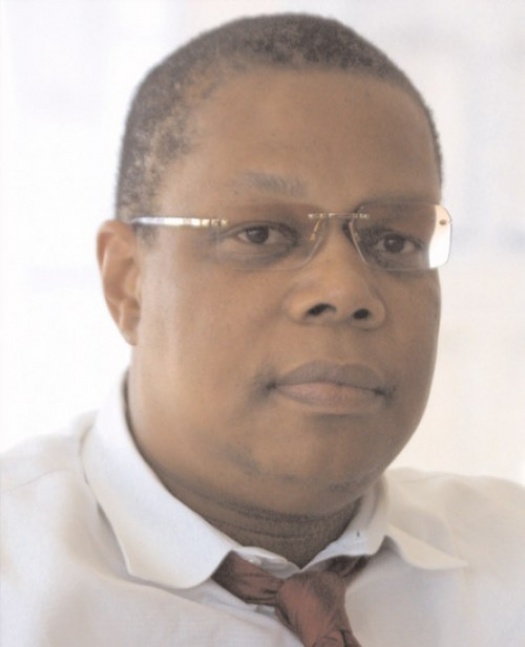
Actually the opposite is true when we look at Don Thompson, a 40-something brother who started out as a crew member at a McDonald’s and is now president of McDonald’s USA. Besides Thompson, Keith Allen and Sam Harmon, BMOA-Chicago members, started their careers as part of a crew. But whether they came up through the ranks, the operators demonstrate an unprecedented commitment to our community.
One of the most impressive demonstrations is Ron Lofton’s desire to help the school aged kids living near his five West Side stores. He’s keenly aware that academic achievement is at anemic levels there, so to help students, he gets them in his stores for two hours of after-school tutoring. The inducement is a free meal with the session. Lofton understands that for some of the students that meal may be the only one available after school.
And he is equally proud that he is working to advance their scholastic standing. Acting BMOA-Chicago President Thom Brown related that franchise ownership translates into being part counselor, financial advisor and community activist.
Brown understands that the success of BMOA-Chicago members is inextricably tied to the willingness to help, whether it is participating in the Chicago Defender Charities Bud Billiken Parade, the Food for the Body and Spirit campaign, or BMOA-Chicago’s signature Write to Achievement program that promotes writing, enhancing verbal communication skills and encourages reading. Blanton Canady’s expansive Navy Pier McDonald’s is testament that BMOA-Chicago members are interested in cultivating business opportunities throughout the city.
Canady’s challenges, unlike neighborhood operators, rest in satisfying an ever-changing, often international base of customers. That mission is even more intense for Cirilo McSween, who owns the McDonald’s at O’Hare International Airport. We know the 19 local BMOA members own restaurants that stretch from Whiting, Ind. to Hanover Park.
What we don’t hear much about is that they spend millions of dollars annually with Black-owned businesses ranging from landscaping companies to sausage manufacturers to paper suppliers. Lofton emphasized he and his colleagues maintain an ongoing commitment to turning dollars over in the community.
When we take into account that nationally the BMOA’s 335 franchises gross more than $2 billion per year with more than 1,200 restaurants, it’s obvious it is at the top of any Black business collective. But the local owners talk about community as much as money, being quick to identify young folk who have worked in their stores and then excelled academically or professionally (outside of the McDonald’s arena).
It doesn’t take much imagination to understand there is more glory in saying he or she is a BMOA member, than the work and requisite knowledge it takes to get thereû from fixing fryers to unclogging the shake machine to some unpleasant bathroom duties. The BMOA represents an excellent model for Black business organizations.
The members share best practices, keep one another apprised of ways to improve profits and improve community outreach. While they have the baseline business challenges of most retailers, urban BMOA members also face the daunting realities of increased insurance costs, larger security line item in their budgets and often a work force that needs extra training. There is a lot of discussion in our community about the paucity of role models.
The BMOA-Chicago members genuinely fill a great part of that void. Isn’t it ironic that so many of us have overlooked the business acumen, presentation skills and staying power? Their stores are located in some less than desirable parts of the city, but they continually serve as a business leader there. Now is a likely time to begin tapping this rarely used resource in the community. We know they often supply fruit punch and burgers for community activities.
It is obvious however that they are willing to do more. Maybe block clubs and other grass roots organizations need to hear the BMOAChicago message(s), particularly how the stores interact with the community, and expectations community members have of the stores and their owners. The members offer unique skill sets and insights, and there is no reason those should go untapped by the community.
It is apparent that there is mutual benefit on relationships based on more than the dollar menu.
______ Copyright 2008 Chicago Defender. All rights reserved. This material may not be published, broadcast, rewritten, or redistributed.
About Post Author
